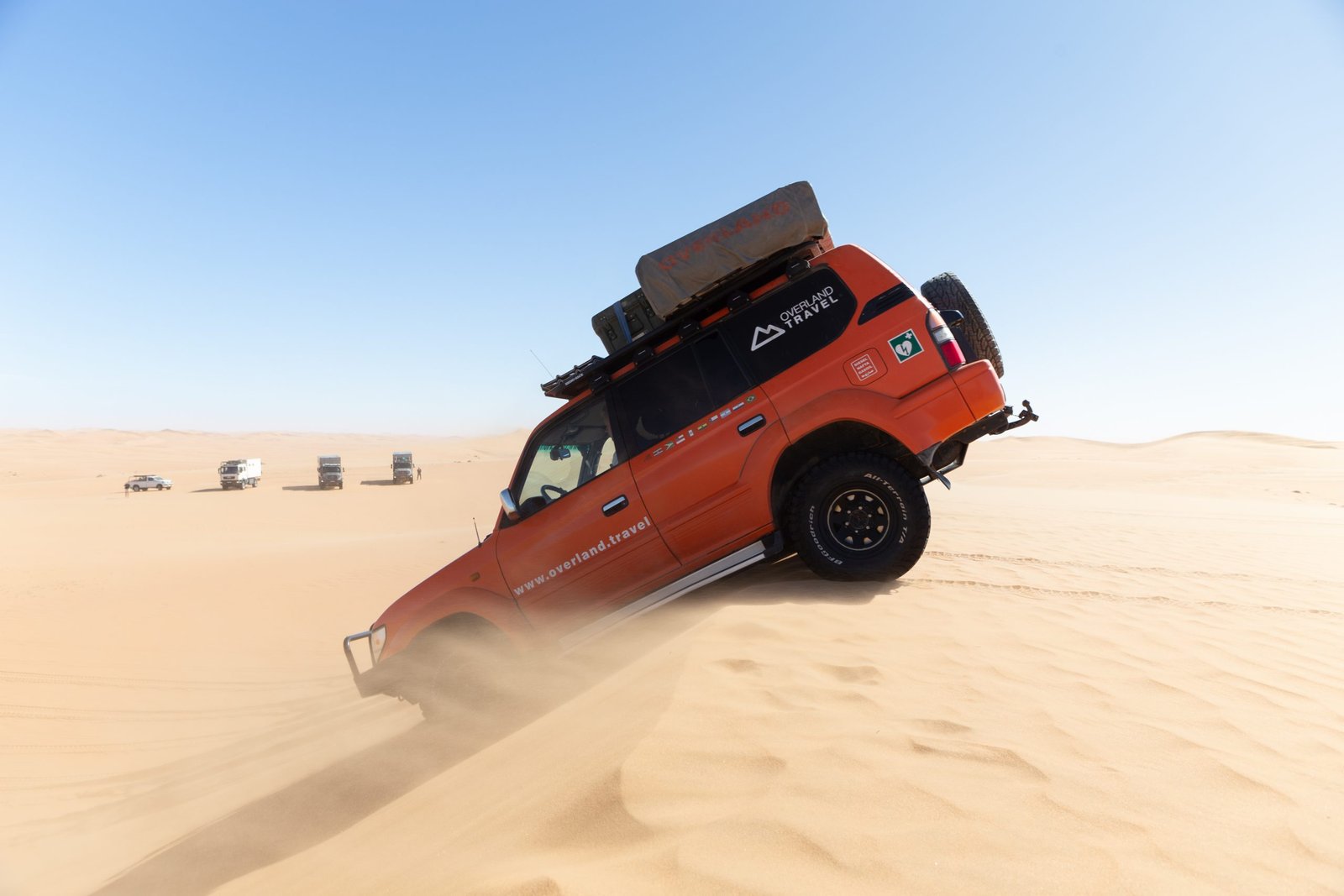
Picture yourself behind the wheel of a rugged 4×4, dust kicking up as you leave the pavement far behind. No airports, no tight schedules—just you, your gear, and the open horizon stretching for weeks or even months. That’s the heartbeat of overland travel. It’s not just getting from point A to point B; it’s embracing every bump, breakdown, and breathtaking view along the way. I still remember the first time I tried it, crossing a remote stretch of the American Southwest in an old Toyota pickup. What started as a weekend escape turned into a life-changing lesson in self-reliance. If you’re craving real freedom beyond package tours, overland travel might just be your ticket.
The Definition of Overland Travel
Overland travel, often called overlanding, is self-reliant adventure travel to remote destinations where the journey itself becomes the main goal. It usually involves mechanized off-road capable transport—like trucks, motorcycles, or even bicycles—with camping as your primary home base. Trips can last months or years and frequently cross international borders. The focus stays on exploration, not speed or luxury. Think of it as blending the thrill of discovery with the simplicity of living off what you carry. This style of travel rewards patience and preparation over five-star hotels.
A Brief History of Overlanding
The roots of overland travel trace back to Australia in the early 1900s, where the term described driving livestock across vast outback distances to new grazing lands or markets. Pioneers like Alfred Canning surveyed the legendary Canning Stock Route between 1906 and 1910, carving paths through unforgiving terrain. Later, road builder Len Beadell opened up even more remote areas with highways named after his family. These early efforts laid the groundwork for modern explorers who swapped cattle for four-wheel drives. What began as practical droving evolved into a passion for discovery.
Origins in Australia
Australia’s harsh landscapes forced travelers to become completely self-sufficient long before GPS existed. Drovers faced weeks without resupply, relying on basic vehicles and wits to survive. That same spirit of independence defines today’s overlanders. Without those early stock routes, many iconic modern paths wouldn’t exist. It’s humbling to think your weekend trail ride owes a debt to those tough pioneers. Light humor aside, they probably didn’t complain about bad cell service either.
Modern Pioneers and the Rise of Mechanized Overlanding
After World War II, affordable 4WD vehicles like Land Rovers and Toyota Land Cruisers made long-distance exploration accessible. Adventurers such as Max Reisch drove from Vienna to Mumbai in the 1930s, while others tackled Africa from Cape Town to Cairo. The Camel Trophy rallies in the late 20th century popularized the lifestyle globally. Today, overlanding has exploded thanks to better gear and online communities. Yet the core remains unchanged: the road is the real destination.
How Overland Travel Differs from Other Adventures
Overland travel stands apart because the journey—not a specific endpoint—drives everything. You prepare for the unexpected, camp in wild places, and immerse yourself in cultures most tourists never see. Unlike quick getaways, it demands real self-reliance over days or weeks in remote spots. This focus on process over product creates deeper connections with the world around you. It’s travel that changes how you see both the map and yourself.
Overlanding vs. Road Tripping
A classic road trip might mean cruising highways with motel stops and a packed itinerary. Overlanding swaps pavement for dirt tracks, hotels for tents, and rigid plans for flexible exploration. You might detour for days just because a side trail looks interesting. Road trips feel like a vacation; overlanding feels like an expedition you control completely. The difference? One gets you there fast. The other makes the “there” irrelevant.
Overlanding vs. Backpacking
Backpackers hop buses and hostels, chasing destinations on a shoestring. Overlanders carry their entire life in a vehicle, reaching places public transport can’t touch. While backpacking builds street smarts, overlanding adds mechanical skills and off-grid survival. Both value immersion, but overlanding lets you linger longer in true wilderness. If you love the open road but hate shared dorms, this might be your sweet spot.
Overlanding vs. Four-Wheeling
Four-wheeling is about conquering tough obstacles for the fun of it—think rock crawling on a Saturday afternoon. Overlanding uses those same skills to reach remote campsites or border crossings over months. The terrain serves the journey, not the other way around. You’re not chasing adrenaline spikes; you’re chasing sunsets in places few people ever visit. One weekend of rocks versus a lifetime of stories.
Here’s a quick comparison table to break it down:
| Aspect | Overlanding | Road Tripping | Backpacking | Four-Wheeling |
|---|---|---|---|---|
| Focus | Journey as goal | Destination arrival | Cultural experiences | Obstacle conquering |
| Duration | Weeks to years | Days to weeks | Months | Hours to days |
| Lodging | Mostly camping | Hotels/motels | Hostels/couchsurfing | Day-use only |
| Vehicle Needs | Off-road capable | Any car | None (public transport) | High-clearance 4×4 |
| Self-Reliance | High | Low | Medium | Medium |
Types of Overland Travel
Overland travel comes in many flavors, so you can match it to your budget, skills, and sense of adventure. Some folks go all-in with expedition trucks built like fortresses. Others keep it simple with a motorcycle and a tent. The beauty lies in customization—your rig, your rules. No single “right” way exists, which keeps the lifestyle fresh and approachable.
Vehicle-Based Overlanding
Most overlanders choose a 4×4 truck, SUV, or van outfitted for rough roads and long hauls. These rigs carry water tanks, rooftop tents, and enough spare parts to handle breakdowns in the middle of nowhere. Popular choices include Toyota Land Cruisers for reliability or modified vans for comfort. You become a rolling home, completely independent for weeks. It’s empowering—and a little addictive.
Motorcycle and Bicycle Overlanding
Two wheels open up tighter trails and smaller villages that big trucks can’t reach. Adventure motorcycles with panniers or touring bikes loaded with gear let you feel every curve of the road. Fuel stops double as chance meetings with locals. Sure, you sacrifice some storage, but you gain freedom and a closer connection to the landscape. Wind in your helmet beats air-conditioning any day.
Budget Overland Travel Without Your Own Vehicle
You don’t need to own a fancy rig to overland. Hitchhiking, trains, shared taxis, or rental bikes can take you across continents on a shoestring. The Broke Backpacker crowd proves this daily—think thumbing rides through Central Asia or hopping local buses in Southeast Asia. Self-reliance comes from adaptability instead of gear. It’s raw, unpredictable, and often the most memorable way to travel.
Essential Gear and Preparation for Overland Travel
Success in overland travel hinges on smart preparation rather than expensive toys. Focus first on skills—tire changes, basic repairs, navigation—before loading up gadgets. A well-packed vehicle feels like a trusted partner, not a burden. Start small, test everything on short trips, and upgrade as you learn. The right gear turns potential disasters into funny stories around the campfire.
Choosing the Right Vehicle
Your vehicle is your lifeline, so pick one that matches your terrain and budget. Toyota Land Cruisers dominate for their bulletproof reliability in Africa and Australia. Jeeps or Ford Broncos shine in North America’s varied landscapes. Consider payload capacity, fuel range, and ease of parts sourcing. Test drive similar setups before committing. Remember, the best rig is the one you can actually afford to maintain on the road.
Here’s a simple pros and cons list for popular options:
Toyota Land Cruiser
- Pros: Legendary durability, global parts availability, excellent off-road capability
- Cons: Higher purchase price, thirsty on fuel
Jeep Wrangler
- Pros: Fun to drive, strong aftermarket support, compact for tight trails
- Cons: Smaller cargo space, less comfortable for long highway stretches
Adventure Motorcycle (e.g., BMW GS)
- Pros: Access to remote single-track, lower fuel costs, easier border crossings
- Cons: Limited luggage, exposure to weather
Must-Have Equipment
Start with recovery gear: winch, traction boards, and a solid shovel. Add water storage, a dual-battery system, and a rooftop tent or ground tent with a good sleeping pad. Don’t forget tools, spare tires, a first-aid kit, and offline maps. Solar panels keep devices charged without generators. Keep it simple at first—extra weight kills fuel economy and fun. Quality over quantity always wins.
Popular Overland Routes Around the World
Iconic routes turn dreams into reality for overlanders everywhere. From icy Alaskan highways to dusty African savannas, each path offers unique challenges and rewards. Research visas, seasons, and border rules well in advance. Many travelers combine several routes into epic multi-year journeys. The world feels smaller once you realize how connected these paths really are.
- Pan-American Highway (Alaska to Ushuaia): The ultimate north-to-south odyssey spans over 20,000 miles. Ship your vehicle around the Darién Gap and soak in everything from glaciers to rainforests.
- Trans-Africa Route (Cairo to Cape Town): Cross deserts, jungles, and wildlife reserves on this classic 10,000+ mile adventure.
- Silk Road (Europe to China): Follow ancient trade paths through stunning Central Asian landscapes and historic cities.
- Australian Outback Tracks: Tackle the Canning Stock Route or Gunbarrel Highway for true isolation Down Under.
- U.S. Backcountry Discovery Routes (BDRs): Dozens of mapped dirt routes across states like Colorado and Utah perfect for beginners.
Pros and Cons of Overland Travel
Like any worthwhile pursuit, overland travel delivers highs and occasional lows. The freedom and personal growth often outweigh the challenges, but honesty helps you prepare mentally. Many return home transformed, with a new appreciation for simple living. Others discover it’s not for them after one flat tire too many. Either way, the experience stays with you forever.
Pros
- Complete freedom to change plans on a whim
- Deep cultural immersion and lifelong memories
- Builds incredible self-reliance and problem-solving skills
- Access to remote places most people never see
- Cost-effective long-term compared to flying and hotels
Cons
- High upfront costs for vehicle and gear
- Mechanical breakdowns in inconvenient locations
- Weather, bureaucracy, and safety concerns
- Loneliness during long stretches on the road
- Physical and mental fatigue from constant movement
How to Get Started with Overland Travel
Jumping into overland travel feels intimidating until you take that first small step. Begin locally with weekend trips to test your setup and skills. Join online forums, attend overland expos, and learn from experienced travelers. Build gradually—your first international crossing will feel less scary after a few practice runs. The community loves helping newcomers, so don’t hesitate to ask questions.
Step-by-Step Guide for Beginners
- Define your budget and trip length realistically.
- Choose and outfit a suitable vehicle or plan public transport alternatives.
- Learn basic maintenance and recovery skills through classes or YouTube.
- Plan your first route using apps like Gaia GPS or onX Offroad.
- Test everything on short shakedowns before committing to big miles.
- Secure insurance, visas, and emergency contacts.
Start small, stay curious, and the road will teach you the rest.
People Also Ask About Overland Travel
What is the difference between overlanding and camping?
Overlanding uses camping as your main lodging during extended remote journeys, while regular camping is usually a short recreational activity near home. The journey and self-reliance set overlanding apart.
How much does overland travel cost?
Costs vary wildly—budget travelers manage on $1,000–2,000 per month including fuel and food, while luxury rigs can run much higher. Vehicle purchase is the biggest initial expense, but many recoup costs by selling gear later.
What vehicle do I need to start overlanding?
Any reliable off-road capable vehicle works if properly prepared. Beginners often start with stock SUVs or trucks before adding upgrades. Focus on reliability and your specific routes rather than the shiniest options.
Is overland travel safe for solo travelers?
Safety depends on research, common sense, and preparation. Millions travel safely each year. Stick to well-documented routes, share your plans, and trust your instincts. Women and solo adventurers thrive with smart precautions.
How long do typical overland trips last?
Anything from a long weekend to several years. Most first-timers start with 2–4 weeks and extend as they gain confidence. There’s no rulebook—just your own pace and savings.
Frequently Asked Questions
Do I need special training to overland?
Basic vehicle maintenance and recovery training helps tremendously, but you can learn as you go. Many start with zero experience and pick up skills on the road.
Can I overland with kids or pets?
Absolutely—families do it successfully all the time. Choose safer routes, add creature comforts, and prioritize medical access. Pets need proper vaccinations and documentation for borders.
What’s the best season for overland travel?
It depends on your destination. Avoid extreme weather windows—research rainy seasons, snow, and road closures. Shoulder seasons often offer fewer crowds and better prices.
How do I find free camping spots?
Apps like iOverlander and Campendium show verified dispersed sites worldwide. Always follow Leave No Trace principles and check local regulations.
Is overlanding just for retirees or young adventurers?
Anyone with the right mindset can do it. Students, professionals on sabbatical, and empty-nesters all thrive on the road. Age is just a number when adventure calls.
Overland travel strips life down to its essentials and hands you the freedom to rewrite your story mile by mile. Whether you dream of crossing continents or simply exploring your own backyard more deeply, the road waits with open arms. Pack light, stay curious, and remember: the best views always come after the hardest stretches. Your next great adventure starts the moment you turn the key. Safe travels—see you out there.