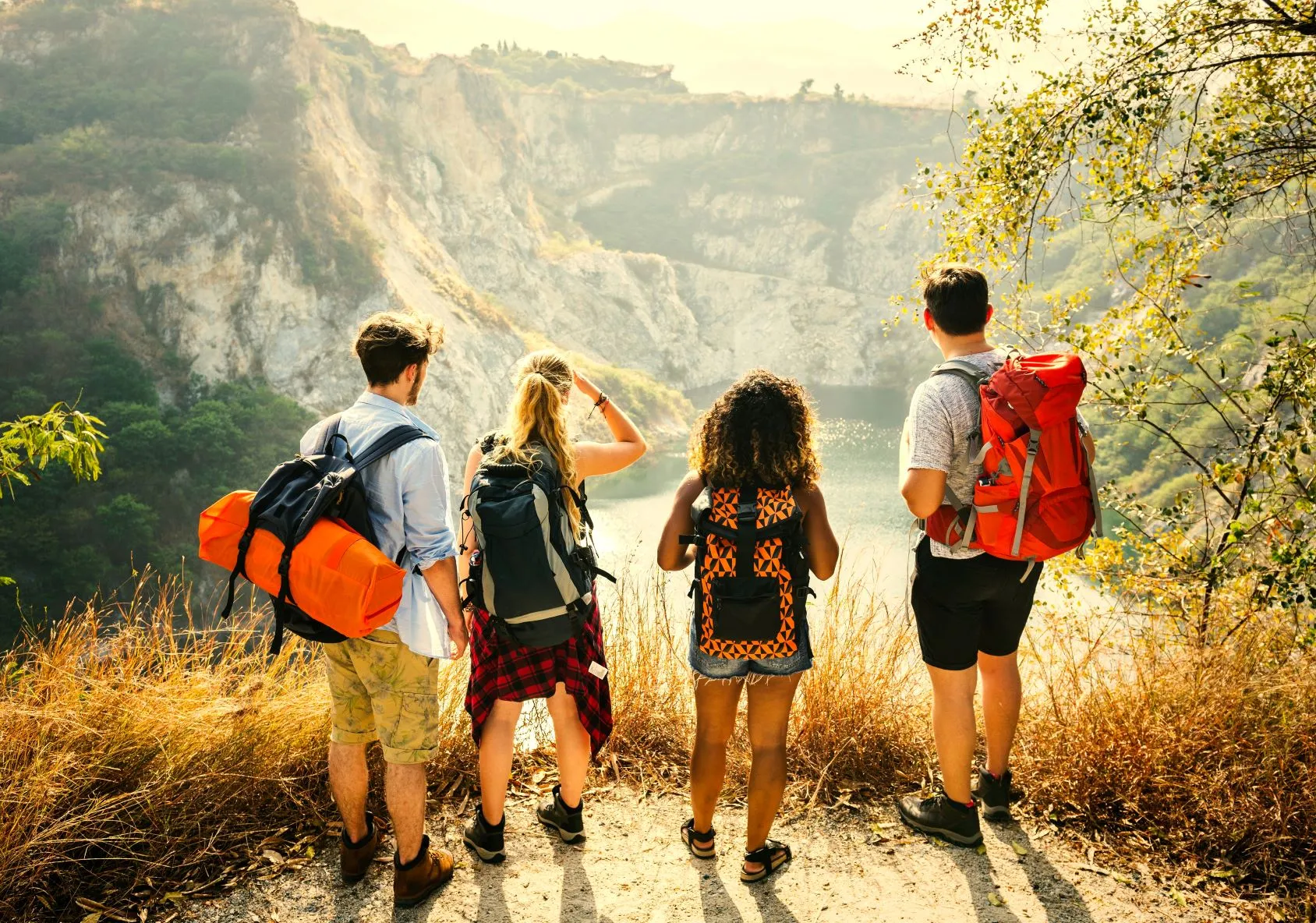
I still remember standing in my tiny London flat, sweat dripping down my back, surrounded by what felt like half my wardrobe. It was the night before my gap year flight to Southeast Asia, and I was convinced I needed every single item “just in case.” Fast-forward three months: I was cursing that extra pair of jeans while hauling my overstuffed pack up a rickety hostel staircase in Chiang Mai. That moment taught me the golden rule of gap year travel—pack light, pack smart, and leave room for the adventures (and souvenirs) that will inevitably find you.
A well-thought-out gap year packing list isn’t about cramming in more stuff; it’s about freedom. When your bag weighs under 15kg and everything has a purpose, you move easier, stress less, and actually enjoy the journey. Whether you’re volunteering in Peru, surfing in Australia, or interrailing across Europe, the right gear makes all the difference. Let’s build your perfect list together, step by step, so you land ready for anything.
Why a Solid Gap Year Packing List Matters More Than You Think
Overpacking turns excitement into exhaustion before you even clear customs. I’ve seen friends miss trains because their suitcase wouldn’t fit in the luggage rack, and others waste precious travel days hunting for basic toiletries in a foreign pharmacy. A thoughtful packing list keeps you mobile, saves money on baggage fees, and gives you mental space to focus on the experiences that actually matter. Plus, in 2026, airlines are stricter than ever—carry-on limits are no joke.
Selecting Your Main Luggage: Backpack or Suitcase?
Your bag is your home for the next 6–12 months, so choose wisely. Most gap year travelers swear by a backpack for flexibility on buses, trains, and jungle treks. A good one sits comfortably on your hips and back, leaving your hands free for that iced coffee you’ll definitely need.
I went with a 55L Osprey Farpoint on my trip and never looked back. It opened like a suitcase, had a detachable daypack, and survived everything from dusty Thai trains to rainy Peruvian mountains. If you’re sticking mostly to cities and hostels with elevators, a sturdy rolling suitcase might work—but remember, cobblestones are brutal on wheels.
Pros and Cons: Backpack vs Rolling Suitcase for Gap Year Travel
- Backpack pros: Hands-free, fits anywhere, great for uneven terrain; cons: Can strain your back if poorly fitted.
- Suitcase pros: Easier to pack neatly, rolls smoothly on flat surfaces; cons: Heavy on stairs, limited to paved paths.
- My verdict: Backpack wins for 90% of gap year routes. Test the fit in-store before buying.
The Ideal Backpack Size and Features for Gap Year Adventures
Aim for 40–65 litres—big enough for everything but not so huge you’ll hate carrying it. Look for padded hip belts, adjustable torso length, and a clamshell opening. Waterproof rain covers are a lifesaver, and built-in laptop sleeves come in handy if you’re working remotely.
Packing cubes changed my life. They compress clothes, keep everything organised, and make repacking at 6am a breeze. Throw in a lightweight daypack (20–30L) for daily explorations—it doubles as your carry-on when you fly.
Must-Have Clothing Essentials That Actually Work
The secret? Pack for one week and do laundry. I learned this the hard way after dragging winter coats through 35°C heat. Stick to neutral colours—black, grey, navy, beige—so everything mixes. Choose quick-dry, lightweight fabrics that roll small and wash easily in hostel sinks.
Here’s a realistic starter wardrobe that served me perfectly across climates:
- 4–5 T-shirts or tank tops (merino wool or quick-dry)
- 2 long-sleeve shirts for sun protection and evenings
- 2 pairs of versatile travel pants (zip-off legs are genius)
- 1 pair of lightweight shorts or skirt
- 1 waterproof jacket (packs tiny)
- 7 pairs of underwear and 5 pairs of socks
- 1 swimsuit
- 1 light fleece or hoodie for chilly buses
Women: Add a versatile dress that works for temples and nights out. Men: A collared shirt for smarter occasions. Everything should layer and match.
Seasonal Clothing Adjustments by Destination
Tropical Southeast Asia? Prioritise breathable fabrics and insect-repellent clothing. Europe in winter? Extra base layers and a warmer jacket. Patagonia trek? Merino wool everything. The key is versatility—one item, multiple uses.
Footwear: Choose Wisely or Suffer the Consequences
Shoes are the bulkiest items, so limit yourself to two pairs max. I wore my hiking boots on the plane and packed lightweight sandals. Trust me—your feet will thank you.
- Sturdy walking/hiking shoes (waterproof if possible)
- Flip-flops or sandals for showers and beaches
- Optional: Lightweight sneakers for cities
Skip heels, heavy boots, or anything you wouldn’t walk 10km in.
Toiletries and Personal Care: Travel-Size Only
Hostel bathrooms are tiny, and you can buy almost everything abroad cheaper. Pack travel-sized or solid versions in a hanging toiletry bag—saves space and keeps leaks contained.
Essentials:
- Toothbrush, toothpaste, floss
- Solid shampoo/conditioner bar (no liquid rules drama)
- Deodorant
- Sunscreen (reef-safe)
- Razor and small mirror
- Menstrual cup or tampons (plus backup)
- Quick-dry microfibre towel
I always add a small first-aid pouch here too—more on that soon.
Electronics and Gadgets to Stay Connected Without Breaking the Bank
Your phone is your lifeline—maps, translation, banking, camera, everything. Keep it simple so you don’t stress about theft or damage.
Must-haves:
- Unlocked smartphone + portable power bank (20,000mAh minimum)
- Universal travel adapter (Type C and A plugs cover most places)
- Noise-cancelling headphones for long flights
- E-reader (Kindle saves suitcase space)
- Optional: Lightweight laptop for digital nomads
Back everything up to the cloud nightly. I lost photos once—never again.
Important Documents and Paperwork You Can’t Replace
Print two copies of everything and store one set separately. Email digital versions to yourself too. Nothing kills the vibe faster than losing your passport in a foreign country.
Pack:
- Passport (valid 6+ months)
- Printed visa copies
- Travel insurance documents
- Vaccination records
- Credit cards (one with no foreign fees)
- Student/youth ID for discounts
- Emergency contact list
Scan everything and use apps like Google Drive or Dropbox.
Health and First-Aid Kit: Your Safety Net on the Road
I once used my mini first-aid kit to help a fellow traveller with a nasty cut in Cambodia—felt like a hero. Don’t leave without the basics.
Core items:
- Prescription medications (in original packaging + doctor’s note)
- Painkillers, antidiarrheal, antihistamines
- Band-aids, antiseptic wipes, tweezers
- Insect repellent (DEET for tropics)
- Rehydration sachets
- Any personal items (inhaler, EpiPen)
Check destination requirements for malaria tablets or yellow fever certificates.
Travel Accessories That Make Life Easier
These small items punch way above their weight:
- Combination padlock for hostel lockers
- Reusable water bottle with filter (LifeStraw or similar)
- Packing cubes and compression sacks
- Earplugs and eye mask
- Quick-dry laundry bag
- Sarong (beach towel, blanket, scarf—endless uses)
- Headlamp for power cuts
What NOT to Pack for Your Gap Year (Lessons from My Mistakes)
Leave these at home and thank me later:
- Full-sized toiletries (airport security nightmare)
- More than two pairs of shoes
- Cotton jeans in humid climates (they never dry)
- Expensive jewellery or electronics
- Hairdryer or straightener (hostels rarely have good power)
- Books (use Kindle or swap at hostels)
I once packed a giant bottle of conditioner that leaked everywhere. Lesson learned.
Packing Strategies: How to Actually Fit Everything
Roll don’t fold. Use packing cubes. Wear your bulkiest items on travel days. Do a “test pack” two weeks before departure and live out of the bag for a weekend—you’ll be shocked what you can ditch.
Weigh your bag. Most airlines allow 7–10kg carry-on. If it feels heavy now, imagine carrying it for hours later.
Destination-Specific Packing Tips for Common Gap Year Routes
Southeast Asia: Light clothes, rain jacket, strong insect repellent. South America: Layers for altitude changes, sturdy boots. Europe: Versatile outfits for cities and countryside. Australia/New Zealand: Quick-dry gear and a warm sleeping bag liner for hostels.
Always research cultural dress codes—modest clothing for temples saves awkward moments.
Comparison Table: Top Recommended Backpacks for Gap Year 2026
| Backpack Model | Capacity | Best For | Weight (empty) | Price Range | Standout Feature |
|---|---|---|---|---|---|
| Osprey Farpoint 55 | 55L | All-rounder | 1.8kg | Mid | Detachable daypack |
| Patagonia Black Hole | 40L | Minimalists | 1.2kg | Premium | Super durable & weatherproof |
| Osprey Aura 50 (women) | 50L | Female travellers | 2.0kg | Mid | Women-specific fit |
| North Face Terra 55 | 55L | Trekking routes | 2.1kg | Budget | Excellent ventilation |
People Also Ask About Gap Year Packing Lists
What is the best backpack for gap year travel?
The Osprey Farpoint 55 consistently tops lists for its comfort, organisation, and carry-on compatibility.
How many clothes should I pack for a gap year?
Enough for 7–10 days. Laundry is everywhere and cheap.
Do I need a sleeping bag for gap year?
A lightweight sleep sheet or liner is usually enough—full bags are bulky unless you’re camping.
Can I pack light for a gap year?
Absolutely. Most experienced travellers use 40–55L and buy extras on the road.
What documents do I need for gap year travel?
Passport, insurance, visas, and digital backups of everything.
FAQ: Your Gap Year Packing Questions Answered
How much should my gap year bag weigh?
Aim for under 15kg total. Lighter is always better for your back and budget.
Are packing cubes worth it?
Yes—100%. They save space, organise chaos, and make customs checks easy.
Should I bring a laptop on my gap year?
Only if you need it for work or study. Otherwise, your phone does 95% of tasks.
What about souvenirs—how do I save space?
Buy small, flat items or ship them home. Leave 10% of your bag empty from day one.
Is travel insurance mandatory?
It’s not always required, but one medical evacuation can cost tens of thousands. Don’t risk it.
Your gap year is about growth, freedom, and stories you’ll tell for decades—not about dragging around unnecessary stuff. Pack with intention, test your bag, and remember: anything you forget can usually be bought cheaper locally. You’ve got this.
Now go close that suitcase, book that flight, and step into the adventure waiting for you. The world is big, your pack should be small, and the memories? They’ll be enormous.
Safe travels—drop me a comment with your own packing wins (or epic fails) when you get back. I’d love to hear them.