Japan consistently ranks among the world’s top travel destinations, and for good reason. From the neon-lit chaos of Tokyo to the serene temples of Kyoto, the snow-capped peaks of Hokkaido to the subtropical beaches of Okinawa, Japan offers an extraordinary diversity of experiences within a relatively compact country. This 14-day itinerary is designed to give first-time visitors the ultimate introduction to Japan’s most iconic highlights while leaving room for the serendipitous discoveries that make travel so rewarding.
Before You Go: Essential Planning Tips
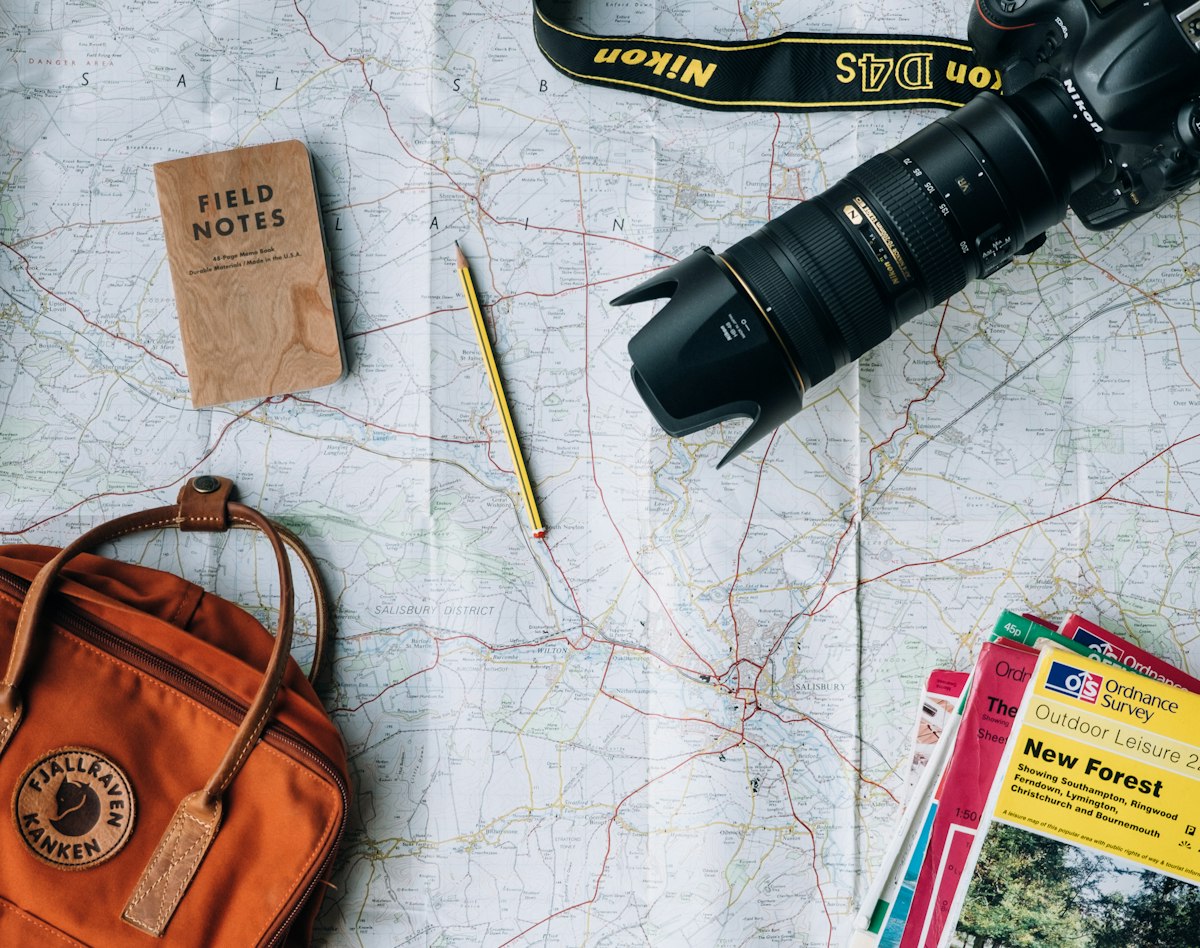
The Japan Rail Pass remains one of the best deals in international travel. A 14-day unlimited pass costs approximately $550 and covers the Shinkansen bullet train network, allowing you to zip between cities at speeds of up to 320 km/h. Purchase it before you leave home, as it’s not available for purchase inside Japan. You’ll also want to arrange pocket WiFi rental or an international SIM card before arrival, as Google Maps and translation apps will be your constant companions.
Regarding money, Japan is still largely a cash-based society despite growing card acceptance. Withdraw yen from 7-Eleven or Japan Post ATMs, which reliably accept foreign cards. Budget approximately $100-150 per day for food, transportation, and admissions if you’re traveling on a moderate budget.
Days 1-4: Tokyo
Arrive at Narita or Haneda and make your way to your hotel in central Tokyo. On your first full day, start with Shinjuku, exploring the iconic Kabukicho entertainment district, the peaceful Shinjuku Gyoen National Garden, and the observation decks of the Tokyo Metropolitan Government Building (free entry). Day two should be dedicated to Asakusa and Akihabara, experiencing old Tokyo at Senso-ji Temple before contrasting it with the electronics and anime culture of Electric Town.
Day three, head to Shibuya and Harajuku. The Shibuya Crossing pedestrian scramble is genuinely one of the most exhilarating urban experiences anywhere in the world. Takeshita Street in Harajuku offers a fascinating window into Japanese street fashion and youth culture. On day four, consider a day trip to Nikko or Kamakura. Kamakura’s Great Buddha and seaside location make it a particular favorite, easily accessible in under an hour from Tokyo by train.
Days 5-7: Hakone and Mount Fuji
The Hakone region offers the best views of Mount Fuji while providing its own rich offerings including hot spring resorts, the Open Air Museum, and the scenic Hakone Ropeway over volcanic Owakudani. Stay in a traditional ryokan inn and experience the full kaiseki dinner and communal onsen hot spring bath ritual. This is one of Japan’s most authentic cultural experiences and should not be missed on any first visit.
Days 8-11: Kyoto
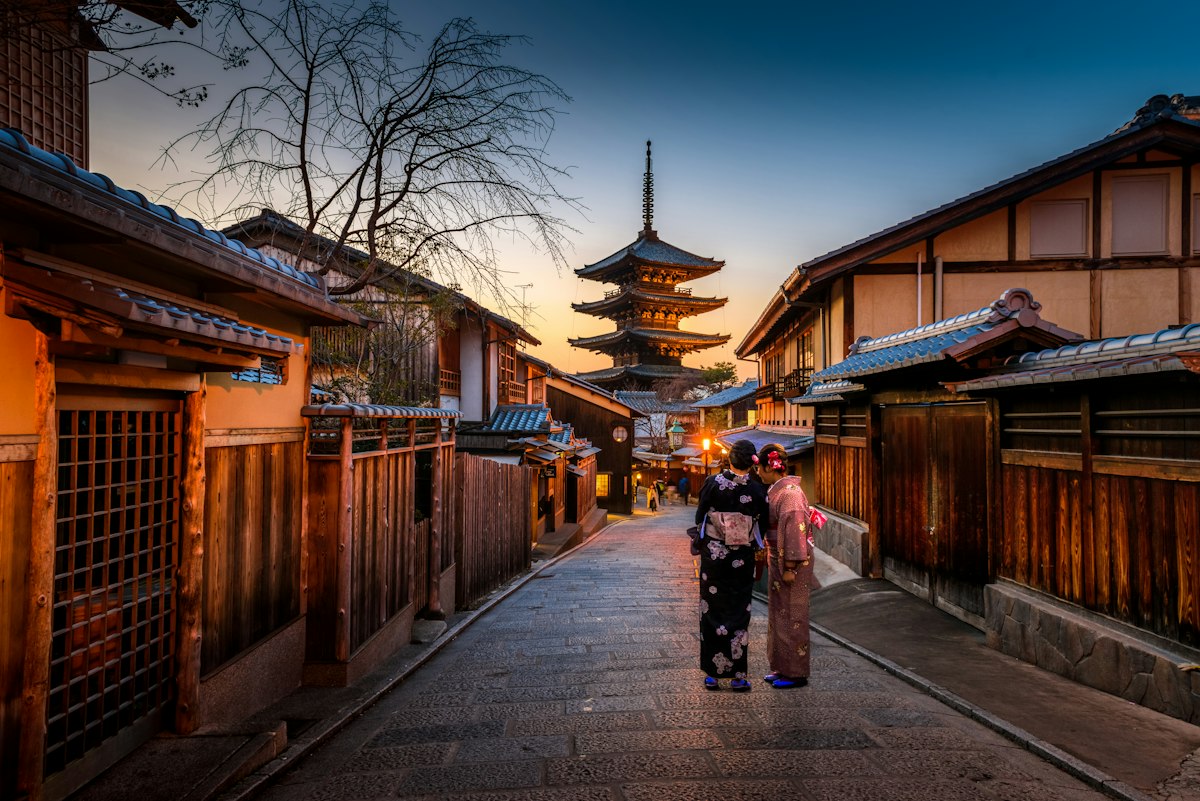
Kyoto is the cultural heart of Japan, with over 1,600 Buddhist temples, 400 Shinto shrines, and 17 UNESCO World Heritage sites. Allocate your four days carefully. The Fushimi Inari Shrine with its thousands of vermilion torii gates is Kyoto’s most photographed attraction and genuinely magical at dawn before the crowds arrive. The Arashiyama bamboo grove, Kinkaku-ji Golden Pavilion, and the preserved geisha district of Gion are all essential stops. Reserve one day for a traditional tea ceremony and a cooking class to deepen your understanding of Japanese culture.
Days 12-13: Osaka
Osaka is Japan’s kitchen and arguably its most energetic food city. Dotonbori is the epicenter of Osaka’s food culture, lined with restaurants serving takoyaki octopus balls, okonomiyaki savory pancakes, and the city’s famous kushikatsu deep-fried skewers. Day trip to Hiroshima and Miyajima Island if you haven’t already factored it into your itinerary, as the Peace Memorial Museum provides one of the most profound and moving experiences available to any traveler.
Day 14: Return from Osaka or Kyoto
Both Osaka and Kyoto have excellent access to international airports. Kansai International Airport serves both cities and offers direct flights to North America and Europe. Use your last morning for any remaining shopping, a final bowl of ramen, and quiet reflection on an extraordinary two weeks in one of the world’s most remarkable countries.
Japan rewards travelers who approach it with curiosity and respect. Learn a few words of Japanese, always bow when greeting locals, and follow the many unspoken rules of etiquette you’ll encounter. The Japanese people are extraordinarily welcoming to visitors who make even minimal efforts to engage with their culture, and those efforts will be repaid many times over.
About the Author