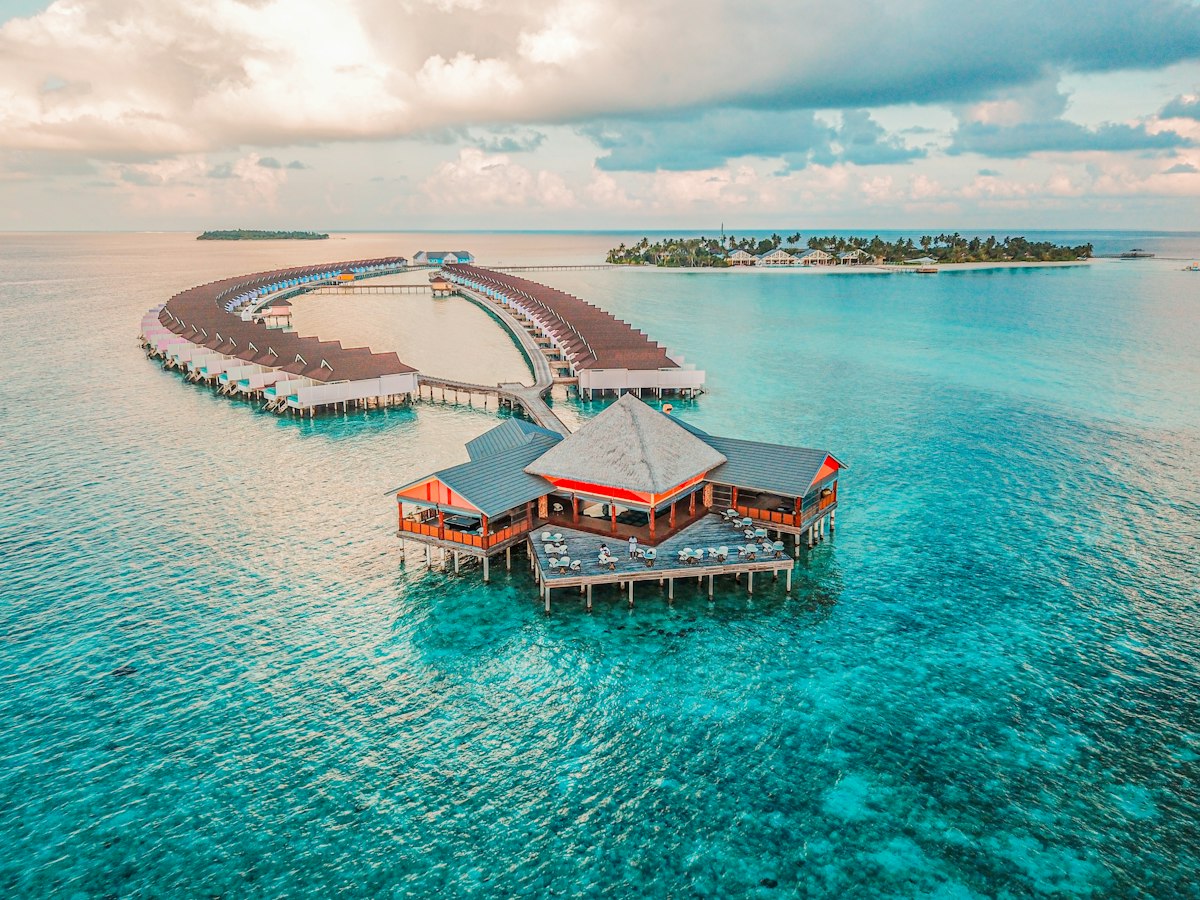
The Maldives represents the apex of luxury beach travel. An archipelago of 1,200 coral islands in the Indian Ocean, the Maldives offers what few destinations in the world can match: absolute privacy, crystalline turquoise water, and overwater villas that put you literally above the Indian Ocean. In 2026, despite rising competition from other exotic island destinations, the Maldives remains the benchmark against which all luxury beach hotels are measured.
Understanding How the Maldives Works
Most Maldivian resorts are private islands accessible only by seaplane or speedboat from Male, the capital. The all-inclusive model dominates because most islands have no restaurants or services outside the resort. This isolation creates the extraordinary sense of having discovered a private paradise, but it also means costs are significantly higher than comparable luxury properties in more accessible locations. Budget at minimum $1,000-$3,000 per night for a true luxury overwater villa experience.
1. Soneva Jani
Soneva Jani is widely considered the most spectacular resort in the Maldives, and possibly the most extraordinary resort anywhere in the world. Located in Noonu Atoll, accessible by a 40-minute seaplane flight from Male, the resort features enormous overwater villas with retractable roofs for stargazing from your bed, private slides into the lagoon, and a level of detail and craftsmanship that redefines what resort design can achieve. The food is exceptional, the environmental credentials are genuine, and the 22-square-kilometer private lagoon means even a full resort never feels crowded.
2. Four Seasons Resort Maldives at Landaa Giraavaru
The Four Seasons Landaa Giraavaru is the gold standard of family luxury in the Maldives. The resort sits within a UNESCO-designated biosphere reserve and features a renowned marine biology center where guests can participate in coral planting, sea turtle rehabilitation, and dolphin research. The overwater bungalows are massive by any standard, with glass floors for watching reef fish, plunge pools, and the Four Seasons’ legendary personalized service.
3. COMO Cocoa Island
COMO Cocoa Island takes its design inspiration from traditional Maldivian dhoni boats, with all 33 overwater villas designed to resemble the local wooden fishing vessels. The result is a visually distinctive property with genuine cultural reference. COMO’s wellness programming is outstanding, with a dedicated Shambhala Spa offering Ayurvedic treatments, yoga, and meditation in a setting that makes mindfulness feel effortless.
4. Gili Lankanfushi
Gili Lankanfushi was ranked the world’s best hotel for several consecutive years, and it’s easy to understand why. The resort pioneered the “no news, no shoes” philosophy that has become the aspiration of luxury beach resorts worldwide. Villas are connected to the main island by wooden jetties extending far into the lagoon, creating genuine seclusion. The food and beverage program is exceptional, and the resort’s commitment to environmental sustainability is among the most substantive in the industry.
5. Velaa Private Island
Velaa is the choice for travelers who want the absolute pinnacle of service and privacy. With only 47 villas and an extraordinary staff-to-guest ratio, Velaa delivers a personalized luxury experience that larger resorts cannot match. The facilities include a two-story residence, a private golf pavilion designed by Jose Maria Olazabal, and a wine cellar featuring over 20,000 bottles. If price is not a consideration, Velaa represents the Maldives at its most exclusive.
Getting There: Seaplane vs. Speedboat
The arrival experience is part of what makes the Maldives so magical. Seaplane transfers are the most spectacular option, with 30-60 minute flights over the atolls providing unforgettable aerial views of the reef system. However, seaplanes only fly in daylight hours, meaning late arrivals require overnight accommodation in Male. Speedboat transfers are available for closer resorts and operate around the clock, but lack the visual drama of the seaplane approach.
Best Time to Visit
The Maldives is divided into two monsoon seasons. The northeast monsoon from November to April brings the driest and sunniest weather, making it the peak travel season. The southwest monsoon from May to October brings more rain and rougher seas but also lower rates and smaller crowds. The southern atolls tend to be better protected during the southwest monsoon, making them preferable for travel during the shoulder season.
A stay in the Maldives is genuinely unlike any other travel experience. The combination of physical beauty, isolation, and world-class hospitality creates memories that last a lifetime. For those who can afford it, at least one visit to this remarkable archipelago should be on every traveler’s list.
About the Author