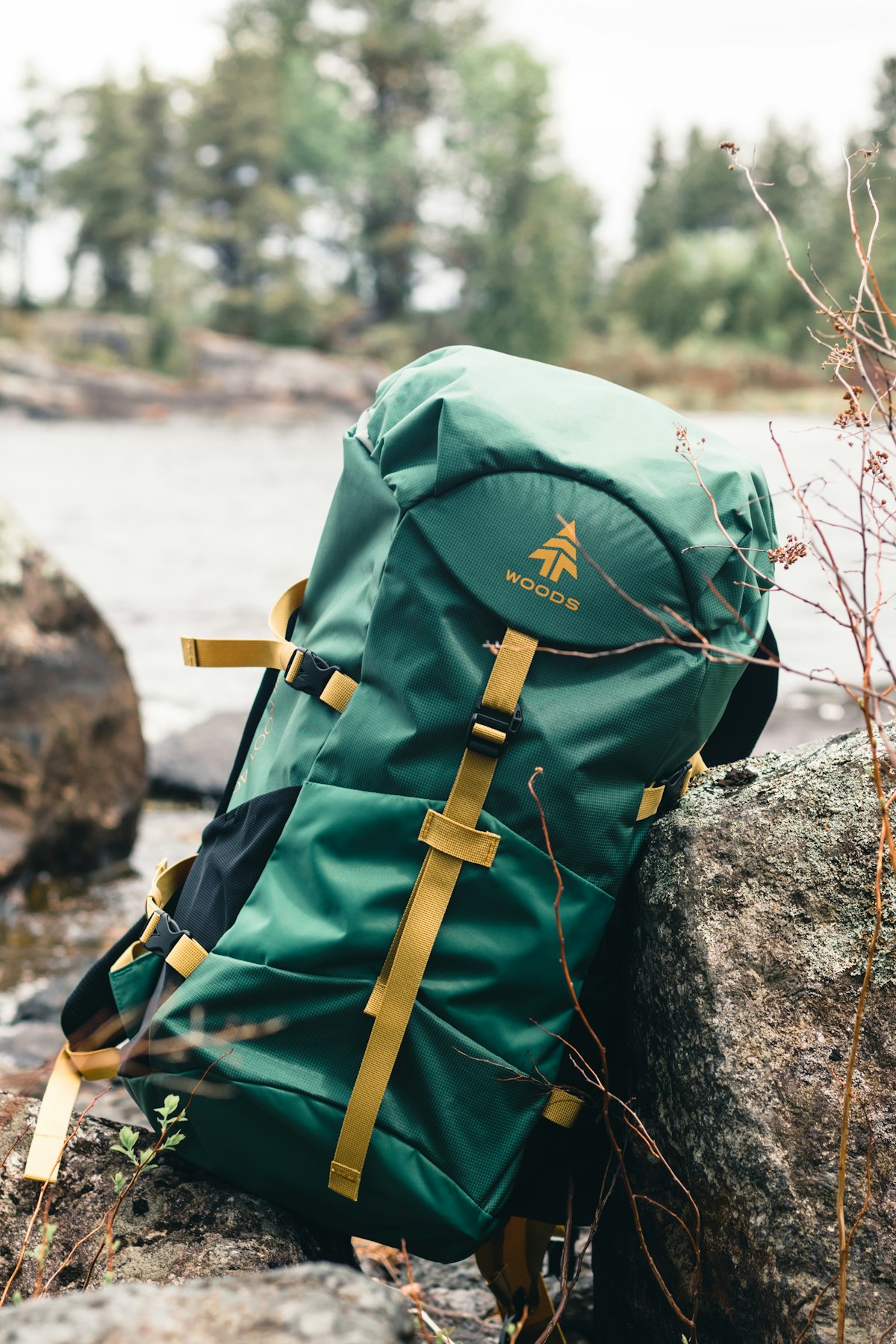
Choosing the right travel backpack is one of the most consequential gear decisions a traveler can make. The wrong bag leads to back pain, disorganization, security vulnerabilities, and the frustration of never finding what you need. The right bag becomes a trusted companion that makes every journey more comfortable and efficient. Here are the best travel backpacks of 2026, organized by use case to help you find the perfect match for your travel style.
Best Overall Travel Backpack: Tortuga Setout 45L
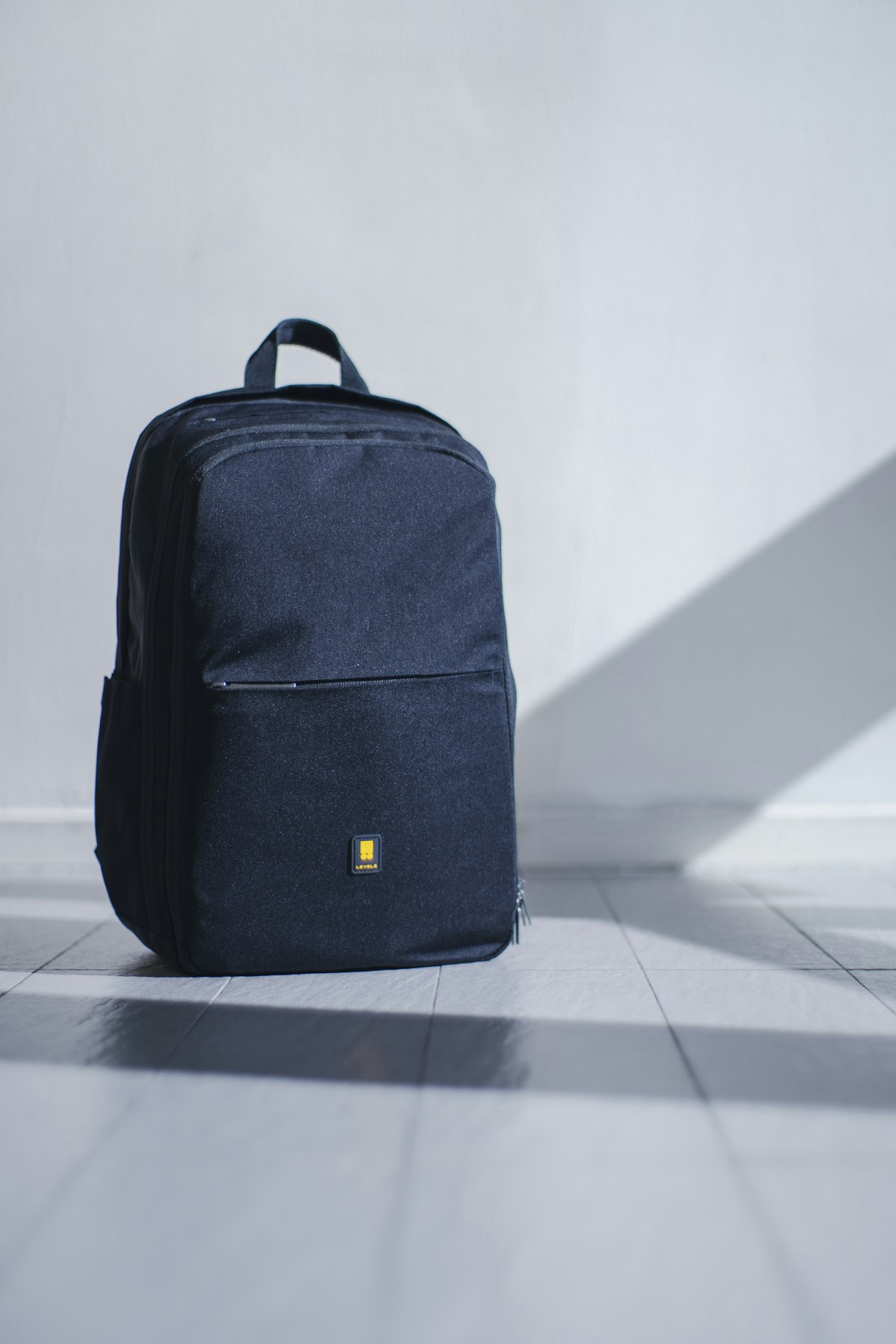
The Tortuga Setout is purpose-built for travel in a way that distinguishes it from both traditional hiking packs and corporate laptop bags. It opens like a suitcase with a full clamshell zip, making packing and organization significantly easier than top-loading hiking packs. The 45-liter capacity is the sweet spot for carry-on compliant travel — large enough to pack for 2 weeks if you pack efficiently, small enough to fit in any airline overhead bin.
The internal organization is exceptional, with a dedicated laptop compartment accessible from the back panel, multiple organization pockets, and a compression system that prevents empty space from creating a shapeless, uncomfortable carry. The suspension system with adjustable torso length and hip belt distributes weight effectively for a packable, lightweight travel bag.
Best for Digital Nomads: Nomatic Travel Pack 40L
Nomatic has built a devoted following among digital nomads with their highly engineered travel packs. The Travel Pack 40L features an extraordinary attention to organization, with dedicated slots for cables, accessories, and technology that genuinely eliminate the chaos that typically characterizes a tech traveler’s bag. The magnetic water bottle pockets are a genuinely clever design innovation, and the side handle makes it easy to pull from overhead bins or place on security conveyor belts.
Best Lightweight Option: Osprey Ultralight Stuff Pack 18L
Sometimes you don’t need a big pack. The Osprey Ultralight Stuff Pack weighs under half a pound and stuffs into its own pocket for storage when not in use. It’s the perfect daypack to pack inside your main luggage and deploy for day trips, hikes, and beach excursions. The 18-liter capacity handles everything you’d need for a day out, and Osprey’s build quality ensures it will survive years of daily use despite its minimal weight.
Best for Adventure Travel: Deuter Aircontact Core 50+10
For multi-week expeditions, trekking, or any trip involving significant time in the wilderness, the Deuter Aircontact Core is the benchmark. The Aircontact suspension system is genuinely outstanding, using a trampoline-style back panel that creates airflow while maintaining contact and load transfer. The 50+10 capacity means you can expand the bag when needed while keeping it manageable for everyday use. Deuter’s 30-year history in technical pack design is evident in every detail.
Best Anti-Theft Pack: Pacsafe Venturesafe EXP45
Security is a legitimate concern in many travel destinations, and Pacsafe has built an entire product line around preventing theft. The Venturesafe EXP45 features slashproof panels, lockable zippers, RFID-blocking pockets, and a steel cable that allows you to secure the pack to fixed objects in hostels or on transport. The security features add some weight, but for travelers heading to destinations where bag theft is common, the peace of mind is worth it.
Key Features to Consider
Volume is the most obvious consideration, but several other factors significantly impact daily usability. Hip belt quality determines how well weight is transferred from shoulders to hips, which is critical for packs over 20 liters. A properly fitted hip belt can make a heavy pack feel manageable; the absence of one makes a moderately heavy pack feel punishing.
Organization structure depends on your packing style. Panel-loaders like the Tortuga Setout suit people who like visual access to everything; top-loaders like the Deuter suit people who prefer maximum capacity and don’t mind digging. For tech-heavy travelers, the number and quality of internal organization pockets for cables, adapters, and accessories can be a deciding factor. Water resistance is another practical consideration — even packs marketed as waterproof rarely are fully waterproof, so a dedicated rain cover provides better protection in genuine downpours.
Fitting Your Pack Correctly
The best pack in the world will be uncomfortable if it’s not properly fitted. Most quality travel packs offer adjustable torso length, which is distinct from your height. Measure your torso length from the C7 vertebra (the prominent bone at the base of your neck) to the top of your hip bones to determine your torso measurement and select the appropriate pack size. A correctly fitted pack should feel like an extension of your body rather than an external load hanging off your back.
About the Author